
Access Management Solutions for Smarter, More Secure Business Environments
As businesses embrace digital transformation, protecting people, property, equipment and sensitive information has become increasingly important. From corporate offices and commercial buildings to residential estates, warehouses and industrial facilities, organisations need reliable ways to control who enters their premises and which resources they can access.

Traditional security methods, such as physical keys, manual visitor registers and standalone locks, are no longer sufficient for many modern business environments. They offer limited visibility, are difficult to manage at scale and can create security gaps when employees change roles, visitors arrive unexpectedly or access credentials are compromised.
This is where access management solutions become essential.
Modern access management combines intelligent security technologies, identity verification, controlled entry systems and centralised monitoring to help organisations manage access more efficiently. When integrated with reliable connectivity, surveillance systems and managed IT infrastructure, these solutions create safer, smarter and more productive business environments.
For Nigerian businesses navigating rapid urban development, expanding workforces and increasingly connected operations, investing in smarter access management is an important step towards sustainable security.
What Are Access Management Solutions?
Access management solutions are technologies and processes that determine who is permitted to enter a location, use a facility or access a protected resource. They help organisations establish, enforce and monitor access permissions based on identity, authorisation and predefined security policies.
In physical environments, access management typically involves:
- Electronic access control systems.
- Biometric authentication, including fingerprint and facial recognition.
- RFID cards and proximity access credentials.
- Smart door locks and electronic entry systems.
- Visitor management and registration platforms.
- Centralised access monitoring and reporting.
In digital environments, identity and access management (IAM) solutions control access to applications, networks, cloud platforms and business information through user authentication, role-based permissions and security policies.
Although physical and digital access management serve different purposes, they can work together to strengthen an organisation's overall security framework.
Why Modern Businesses Need Intelligent Access Control
As organisations expand, managing employees, contractors, visitors and service providers becomes more complex. Without a structured access control system, businesses may struggle to identify who entered their premises, restrict access to sensitive areas or investigate security incidents.
1. Stronger Physical Security
Controlled entry systems help prevent unauthorised individuals from accessing restricted business premises. Employees may use biometric verification, access cards, PINs or other approved credentials.
2. Improved Visitor Management
Visitor management platforms help organisations register guests, verify identities, record entry times and establish authorised access periods.
3. Better Accountability
Digital access records help security teams understand who accessed specific areas and when. These records can support internal investigations and operational reviews.
4. Greater Operational Efficiency
Automated access control reduces dependence on manual security procedures and allows administrators to manage permissions centrally across multiple facilities.
For example, a financial institution can restrict access to server rooms, records storage and administrative offices to authorised personnel. This reduces unnecessary exposure of sensitive assets and supports stronger internal security procedures.
Key Technologies Powering Modern Access Management Systems
The effectiveness of an access management solution depends on selecting technologies that match the organisation's security requirements.
Biometric Access Control
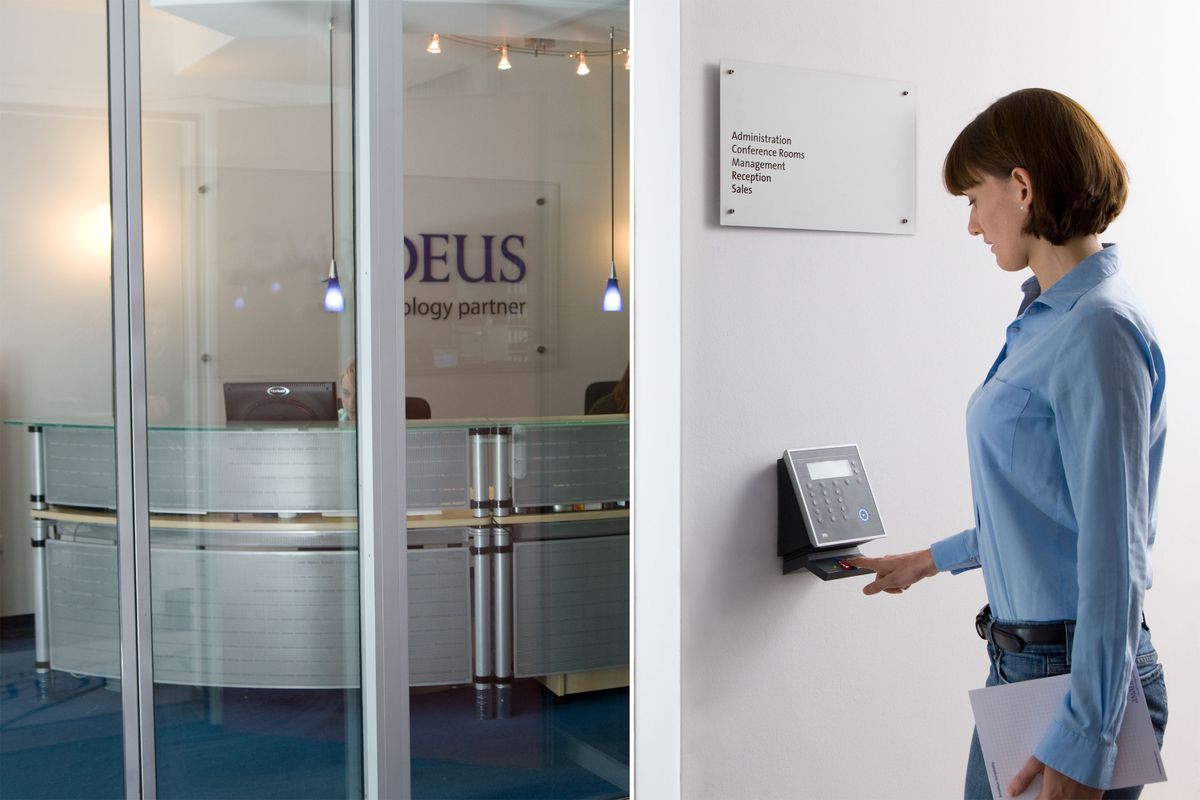
Biometric access control uses unique physical characteristics, such as fingerprints or facial features, to verify identity. It reduces reliance on shared passwords, keys and access cards.
However, biometric information requires careful protection, secure storage and appropriate privacy controls.
RFID and Smart Card Access Systems
Radio Frequency Identification (RFID) technology allows users to gain authorised entry through electronic cards, tags or proximity credentials.
These systems are suitable for offices, apartment buildings, hotels and commercial facilities where access permissions need to be managed across different user groups. Lost or stolen credentials should be disabled promptly to prevent misuse.

Smart Locks and Electronic Door Access
Smart locks provide electronically controlled entry through approved credentials, mobile applications or connected access devices.
They can be particularly useful for modern offices, managed residential properties and facilities that require flexible access administration.
Visitor Management Systems
Visitor management technology helps organisations register guests, document visits and manage temporary access permissions. It improves reception workflows while giving security personnel better visibility into visitor movements.
Cloud-Based Access Management
Cloud-enabled platforms allow authorised administrators to manage permissions and review system information remotely. For organisations with multiple offices or distributed facilities, centralised management can simplify administration and improve consistency.
However, cloud-based access systems should be supported by appropriate cybersecurity controls, reliable connectivity and secure backup arrangements.
How Access Management Supports Smarter Business Environments
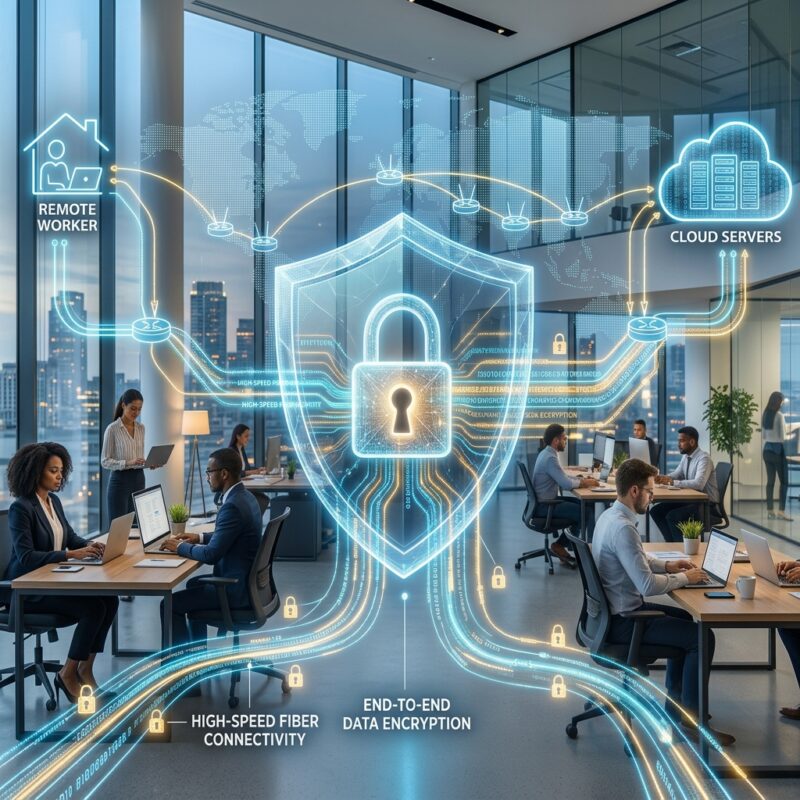
Access management is becoming an important component of smart buildings and connected business infrastructure. When integrated with technologies such as CCTV surveillance, building management systems, alarm systems and Internet of Things (IoT) devices, access control can provide a more coordinated security environment.

Consider a modern corporate office in Lagos.
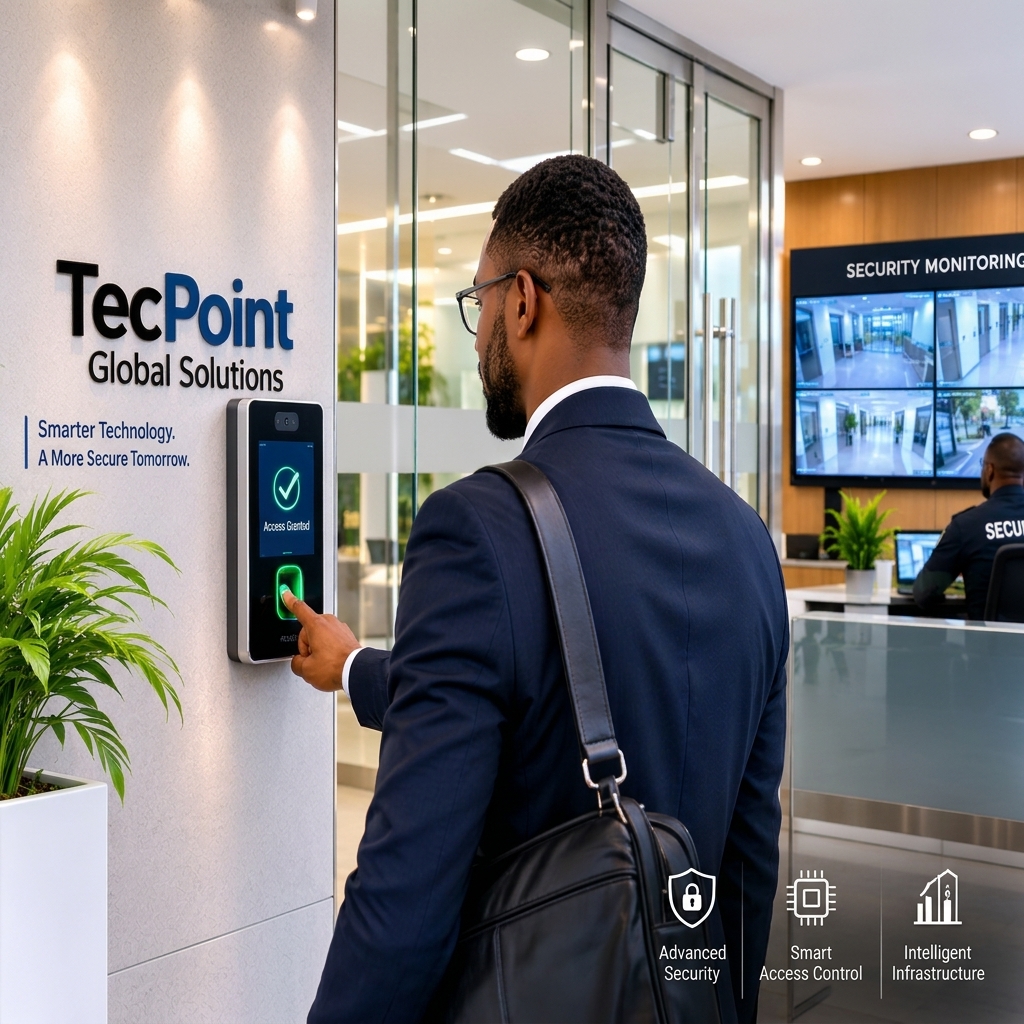
An employee arrives and uses an authorised credential to enter the building. The access system verifies the credential and records the entry event. Restricted departments remain accessible only to approved personnel. Security teams can review relevant access records when investigating an incident.
In a larger smart building, access control may also integrate with surveillance and building management platforms to support coordinated security operations.
For residential estates, similar technology can help manage residents, domestic staff, visitors and service providers. This improves entry management while supporting a more organised living environment.
Integrating Access Management with Business IT and Connectivity
Access management does not operate in isolation. Its performance and reliability depend on the wider technology infrastructure supporting it.
For connected access systems, dependable internet connectivity, secure local networks, appropriate power backup and professional technical support are important considerations.
Businesses operating multiple locations may require reliable enterprise connectivity to support centralised monitoring and communication between facilities.
A dedicated internet leased line can provide a business-grade connectivity option for organisations with demanding network requirements. Fibre broadband and fixed wireless connectivity may also be suitable depending on location, coverage and operational needs.
For remote or underserved locations, satellite internet such as Starlink satellite internet may provide an alternative connectivity option, subject to service availability and site requirements.

Cybersecurity is equally important. Digital access platforms should use secure authentication, appropriate administrator permissions, software updates, network protection and encrypted communications where supported.
The principles of zero trust architecture are particularly relevant. Users should receive only the permissions necessary for their responsibilities, while access requests should be verified rather than automatically trusted.
Businesses can also strengthen their network security through appropriate firewall and network security solutions .
Choosing the Right Access Management Solution in Nigeria
Selecting the right access management system requires more than comparing devices or installation prices. Businesses should consider their facilities, security risks, workforce size and long-term operational requirements.
Security Requirements
Identify sensitive areas, potential security threats and the level of identity verification required.
Scalability
Choose a system that can accommodate additional employees, departments, buildings and locations.
Integration
Consider whether the solution can work with existing CCTV, alarms, visitor management and building management infrastructure.
Ease of Administration
Ensure authorised administrators can update credentials, modify permissions and disable access when necessary.
Connectivity and Power Resilience
Evaluate network availability, backup power and offline access procedures.
Privacy and Data Protection
Establish appropriate safeguards for personal information, visitor records and biometric data. Organisations should consider their obligations under Nigeria's applicable data protection framework, including the Nigeria Data Protection Commission and the Nigeria Data Protection Act 2023.
Technical Support
Work with a provider capable of supporting installation, configuration, maintenance and future system upgrades.
The Role of TecPoint Global Solutions in Smarter Business Infrastructure
Building a secure business environment requires a coordinated approach to connectivity, security and technology management.
TecPoint Global Solutions provides technology and connectivity services designed to support businesses, residential communities and organisations across Nigeria.
Its broader solutions portfolio includes enterprise connectivity, dedicated internet leased lines, business broadband, Starlink connectivity, managed network solutions, cybersecurity, CCTV and smart technology solutions.
By bringing connectivity and security infrastructure together, businesses can build a stronger foundation for modern operations.
Whether an organisation is improving office security, upgrading a commercial facility or developing a connected residential estate, the right combination of access management, surveillance, network infrastructure and professional IT support can deliver lasting operational value.
Explore TecPoint's managed network solutions and business firewall solutions to understand how secure connectivity and network management can support connected business environments.
Conclusion: Build a Smarter and More Secure Business Environment
Access management solutions are no longer simply about controlling doors. They are an essential part of modern business security, operational efficiency and intelligent infrastructure.
From biometric authentication and RFID access cards to visitor management and connected security platforms, the right technologies help organisations protect their facilities, manage access permissions and improve accountability.
However, successful implementation requires more than purchasing security devices. Businesses must consider integration, connectivity, cybersecurity, scalability, privacy and ongoing technical support.
For Nigerian organisations seeking to modernise their security infrastructure, TecPoint Global Solutions offers a broader technology partnership spanning enterprise connectivity, managed IT services, cybersecurity and smart solutions.
Ready to Build a Smarter and More Secure Business?
Improve your business infrastructure with intelligent technology, dependable connectivity and professional IT solutions.
Contact TecPoint Global Solutions today to discuss your business technology and security requirements.
CONTACT TECPOINT TODAYConnect with TecPoint Global Solutions
Website: www.tecpointglobal.com
Phone: +234 815 209 2240
Office: 5th Floor, Corner Stone Building, 136 Lewis Street, Obalende, Lagos Island, Nigeria.
Email: sales@tecpointglobal.com
Frequently Asked Questions About Access Management Solutions
1. What are access management solutions?
Access management solutions are systems and processes that control who can enter a building, use a facility or access protected digital resources. They may include biometric authentication, RFID cards, electronic door locks, visitor management and identity management platforms.
2. What are the benefits of an access control system for businesses?
An access control system improves physical security, restricts unauthorised entry, supports employee and visitor management, creates access records and reduces dependence on manual security procedures.
3. What is the difference between access management and access control?
Access control refers to the mechanisms that grant or deny access to specific areas or resources. Access management is the broader process of administering identities, credentials, permissions and access policies throughout an organisation.
4. Are biometric access management systems secure?
Biometric systems can strengthen identity verification using fingerprints or facial features. Their security depends on implementation, anti-spoofing capabilities, data protection, access policies and secure handling of biometric information.
5. Can access management systems integrate with CCTV?
Compatible access management platforms can integrate with CCTV surveillance systems to help security personnel associate access events with relevant video footage.
6. Can access management systems be monitored remotely?
Some cloud-enabled and network-connected systems allow authorised administrators to manage permissions and monitor access events remotely.
7. What should Nigerian businesses consider before installing an access management system?
Businesses should evaluate security requirements, building layout, user numbers, authentication methods, integration needs, connectivity, power resilience, maintenance and applicable data protection requirements.
8. Why is internet connectivity important for modern access management?
Network connectivity supports remote administration, centralised monitoring, cloud-based management and communication between connected security devices. Some systems can also provide local access control when internet connectivity is unavailable.