
Phishing attacks have evolved far beyond the easily recognizable spam emails of the past. Today, cybercriminals deploy highly targeted spear-phishing campaigns, sophisticated brand spoofing, and AI-generated social engineering tactics to bypass standard security filters. For Nigerian businesses navigating a rapidly expanding digital economy, an email security breach can result in severe financial loss, compromised client data, and irreparable reputational damage.
Protecting your enterprise requires a multi-layered defense strategy that combines cutting-edge email security protocols, robust employee training, and resilient network infrastructure. Whether your business operates on a cloud-native architecture or relies on dedicated connectivity, understanding how to identify, neutralize, and prevent phishing threats is vital to maintaining operational continuity.
Understanding the Phishing Threat Landscape for Businesses
Phishing is a form of cybercrime where attackers impersonate legitimate organizations, executives, or trusted partners to trick employees into revealing sensitive information, such as login credentials, financial records, or proprietary corporate data. In an era where remote work and cloud applications dominate business operations, email remains the primary entry point for corporate cyberattacks.
Cybercriminals exploit human psychology—specifically urgency, fear, authority, and curiosity—to execute their schemes. In Nigeria’s growing business ecosystem, financial institutions, logistics providers, enterprise connectivity networks, and corporate offices are prime targets for credential harvesting and Business Email Compromise (BEC).
The High Cost of Phishing Attacks on Enterprises
The impact of a successful phishing attack extends well beyond an initial data leak. Enterprises face multiple vectors of risk:
- Financial Drain: Direct loss of capital through fraudulent wire transfers or extortion payments following ransomware deployment.
- Operational Downtime: Disrupted workflows while IT and cybersecurity teams isolate infected devices and restore systems.
- Regulatory Penalties: Potential compliance violations under data privacy regulations such as the Nigeria Data Protection Act (NDPA).
- Reputational Damage: Loss of business trust from clients, vendors, and partners who rely on your secure operations.
Common Types of Phishing Attacks targeting Nigerian Enterprises
Cybercriminals employ distinct methods depending on their ultimate objective. Recognizing these tactics allows IT leaders to implement precise security countermeasures.
1. Spear Phishing
Unlike broad spam blasts, spear-phishing attacks target specific individuals or roles within an organization. Attackers research their targets on corporate websites and social media platforms to draft personalized emails that appear genuine.
2. Business Email Compromise (BEC)
In a BEC scenario, an attacker impersonates a high-ranking executive, such as a CEO or CFO, or a trusted vendor. The email directs an employee in accounting or operations to execute urgent payments or modify banking details. Because these emails rarely contain malicious links or attachments, traditional spam filters often fail to flag them.
3. Clone Phishing
Attackers inspect previously sent, legitimate emails containing attachments or links. They create an exact replica of the message, swap the link or file with a malicious version, and re-send it from a spoofed address under the guise of an updated release or resend request.
4. Smishing and Vishing
Phishing is no longer restricted to email. Smishing (SMS phishing) and Vishing (voice phishing) leverage text messages and phone calls to direct employees to malicious login portals or deceive them into divulging security codes.
5 Practical Steps to Protect Your Business from Phishing Emails
Building an enterprise-grade defense against phishing requires integrating technical controls, human awareness, and dependable underlying connectivity.
Step 1: Deploy Advanced Technical Security Controls
Technical barriers form your first line of defense. Implementing domain-level authentication standards ensures attackers cannot easily fake your business email domain.
- SPF (Sender Policy Framework): Specifies which mail servers are authorized to send email on behalf of your domain.
- DKIM (DomainKeys Identified Mail): Adds a cryptographic signature to outgoing emails to verify that the email content was not altered in transit.
- DMARC (Domain-based Message Authentication, Reporting, and Conformance): Uses SPF and DKIM to determine the authenticity of an email message, instructing receivers on how to handle unauthorized emails.
Enforcing Multi-Factor Authentication (MFA) across all corporate accounts ensures that even if an attacker acquires an employee password through phishing, they cannot gain access without a secondary verification step.
Step 2: Conduct Continuous Security Awareness Training
Your workforce represents either your largest security vulnerability or your strongest human firewall. Periodic security awareness training keeps threat recognition top of mind for all employees.
- Run routine simulated phishing campaigns to test employee response rates and identify departments needing additional training.
- Teach staff to scrutinize email sender addresses, evaluate link URLs before clicking, and verify unexpected financial requests out-of-band via phone call or direct message.
- Establish a clear, non-punitive reporting mechanism for employees to report suspicious emails to your internal IT security team.
Step 3: Secure Your Internet Infrastructure and Network Perimeter
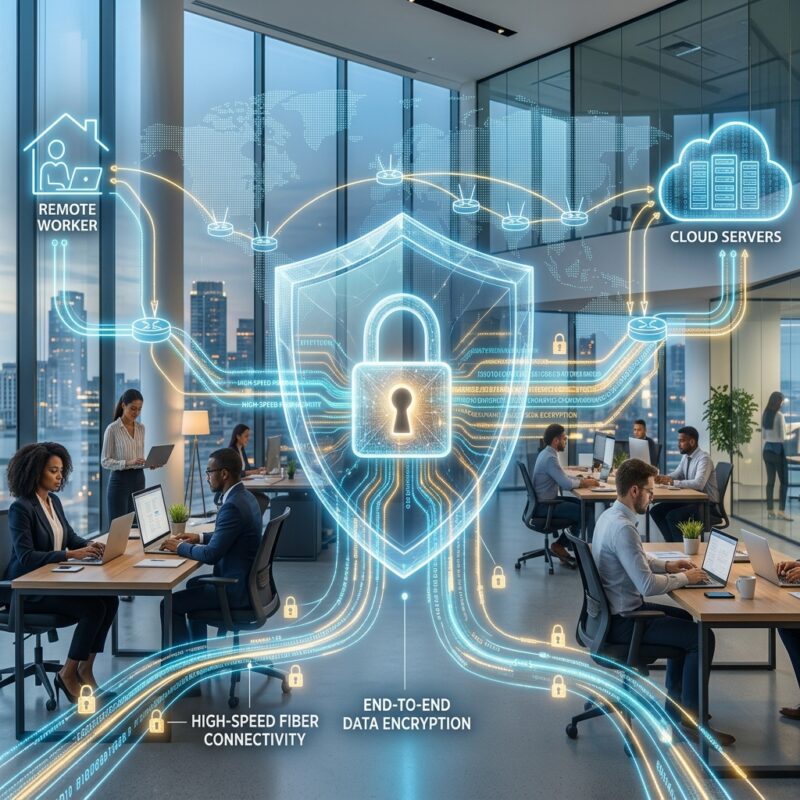
Email security is inextricably linked to overall network security. Attackers often leverage malicious links that connect to compromised web pages. Securing your enterprise network prevents malware from executing even if a link is clicked.
Partnering with a reliable internet service provider that delivers enterprise connectivity with built-in security features, firewalls, and managed routing ensures that malicious traffic is filtered before reaching your local devices. Businesses utilizing dedicated Internet Leased Lines benefit from consistent bandwidth and isolated traffic management, lowering the surface area exposed to external network vulnerabilities.
For remote offices, branch operations, or off-grid commercial setups, deploying robust satellite connection architectures like Starlink Satellite Internet combined with secure hardware VPNs guarantees seamless and protected corporate communications across all locations.
Step 4: Enforce Zero-Trust Architecture and Least Privilege Access
Adopt a Zero-Trust security framework that operates under the principle of “never trust, always verify.” Limit user access privileges so that employees only access the specific networks, databases, and applications required for their job function.
By enforcing role-based access control (RBAC), you restrict the lateral movement of an attacker inside your corporate network if a single user account becomes compromised.
Step 5: Implement Automated Backup and Incident Response Plans
Even with robust defenses, organizations must prepare for potential incidents. Maintain regular, encrypted offline backups of critical business data. In the event of a phishing attack that leads to a ransomware infection, off-site backups allow your business to recover quickly without paying ransom demands or suffering permanent data loss.
Develop an Incident Response (IR) plan detailing steps for isolation, remediation, regulatory reporting, and internal communication following an identified breach.
The Role of Reliable Enterprise Connectivity in Business Security
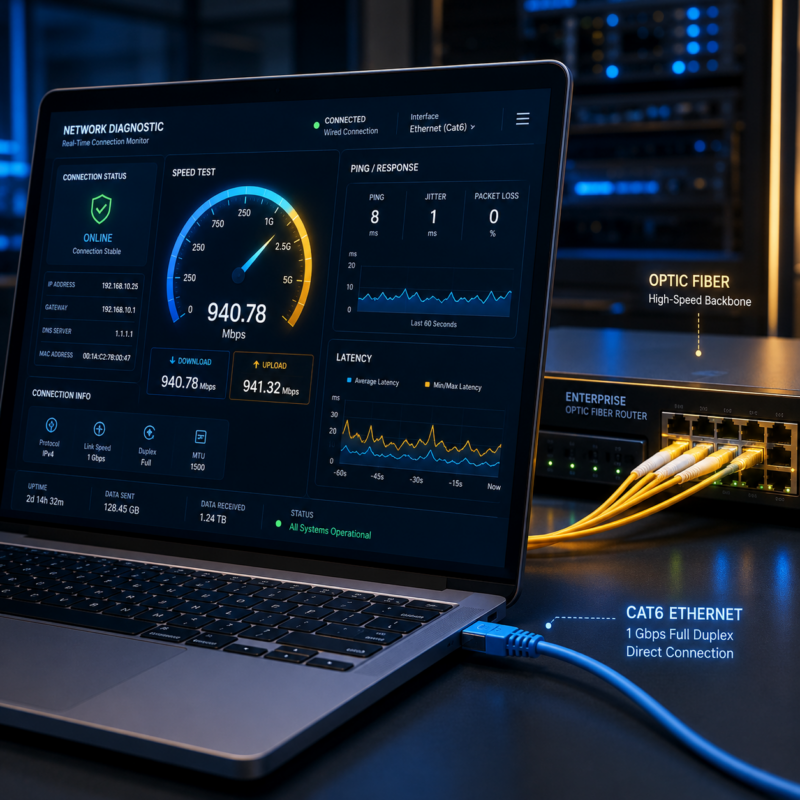
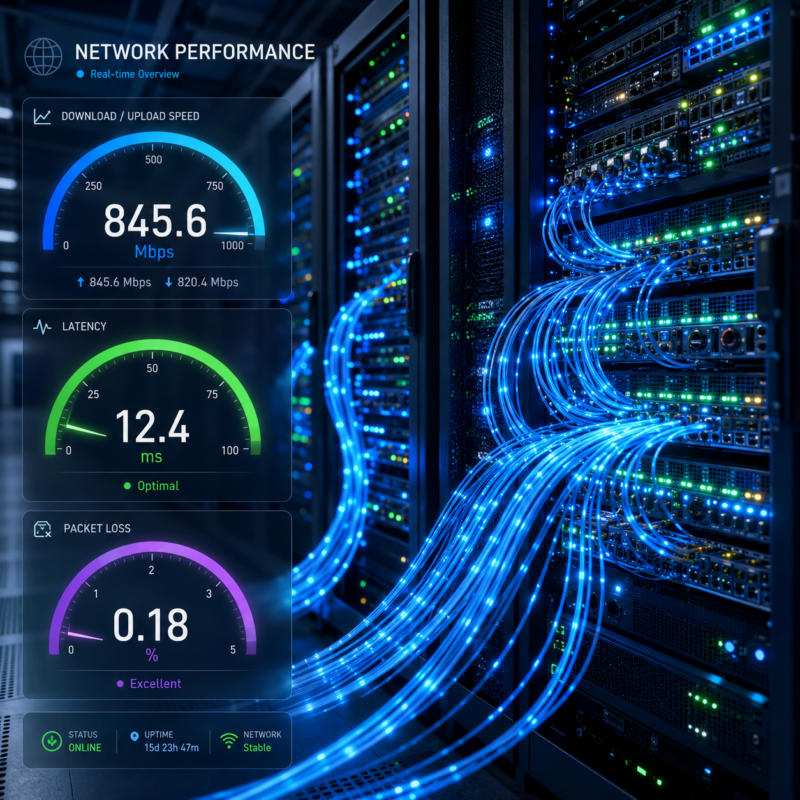
Modern cybersecurity applications, real-time email threat protection engines, and cloud-based endpoint detection tools rely on consistent, high-speed, and low-latency network connections. Unstable internet connectivity can delay security definitions updating in real-time or break secure VPN connections, leaving remote users exposed.
TecPoint Global Solutions supports enterprise security across Nigeria by providing robust enterprise connectivity, Internet Leased Lines, and business internet services designed to keep business infrastructure connected and secure. Whether optimizing estate connectivity, home broadband for remote staff, or provisioning Starlink Satellite Internet solutions for remote operational hubs, dependable network performance underpins effective corporate defense.
Frequently Asked Questions (FAQs)
What is the most common indicator of a phishing email?
The most common indicators include mismatched sender email addresses, generic greetings, urgent or intimidating language, unexpected attachments, and links that direct to suspicious domain names.
How does DMARC prevent phishing attacks?
DMARC helps email receivers determine whether an email aligns with the sender’s claimed domain verification protocols (SPF and DKIM). It allows domain owners to block unauthorized emails sent from spoofed addresses, protecting brand reputation and preventing incoming phishing attempts.
Can an email security system stop all phishing attacks?
No technical control can stop 100% of phishing emails, particularly advanced Business Email Compromise (BEC) attacks that do not contain links or attachments. A complete security strategy relies on combining technical filtering, network protection, and ongoing security awareness training for employees.
Why is secure internet infrastructure necessary for preventing cyberattacks?
Enterprise internet solutions—such as dedicated Internet Leased Lines—provide stable, high-speed throughput essential for running cloud firewalls, real-time threat intelligence feeds, and encrypted communications without performance bottlenecks or unexpected dropouts.
Empowering Nigerian Enterprises with Resilient Infrastructure
Defending your organization against phishing emails requires continuous vigilance, continuous workforce training, and enterprise-grade technology. By combining strict email authentication policies, Zero-Trust access, and dependable enterprise networking, your enterprise can confidently operate in today’s digital environment.
TecPoint Global Solutions delivers high-performance Internet Leased Lines, enterprise connectivity, home broadband, estate connectivity, and Starlink Satellite Internet integration tailored for businesses across Nigeria. Contact TecPoint Global Solutions today to enhance your corporate network infrastructure and safeguard your business continuity.