

In an increasingly interconnected corporate environment, digital data flows across cloud networks, remote workstations, and branch offices around the globe. For modern enterprises operating in high-growth digital hubs like Nigeria, high-speed connectivity is no longer just about fast download speeds—it is about keeping every byte of sensitive commercial data protected. As corporate networks expand beyond traditional office perimeters, unencrypted internet traffic creates severe vulnerabilities for unauthorized interceptors, cybercriminals, and data thieves.
Every digital transaction, corporate email, financial record, and cloud interaction sent over an unencrypted channel risks interception. According to cybersecurity assessments from global tech leaders such as Cisco and regulatory guidance from the Nigerian Communications Commission (NCC), data breaches and network intrusions cost businesses millions annually in direct theft, compliance penalties, and lost brand trust.
A Virtual Private Network (VPN) forms an essential layer of modern enterprise security architecture. By creating an encrypted tunnel over public and private connections, a business-grade VPN ensures that sensitive corporate communications remain private, compliant, and protected against interception.
What is a Business VPN and How Does It Function?
A Virtual Private Network (VPN) is an enterprise networking technology that creates a secure, encrypted connection—often referred to as an “encrypted tunnel”—between a user’s device and a private corporate network over the public internet.
When an employee connects to the internet without a VPN, data travels in plain, unencrypted text from their device, through their Internet Service Provider (ISP), to destination servers. Anyone monitoring those network nodes—including malicious actors on public Wi-Fi or compromised routers—can potentially view, intercept, or manipulate that information.
A business VPN mitigates this threat by wrapping data packets in advanced military-grade encryption algorithms (such as AES-256) before they leave the device.
Key Technical Mechanisms of an Enterprise VPN
- End-to-End Encryption: Converts plaintext data into unreadable ciphertext at the sender’s device. Data can only be decrypted by an authorized destination gateway holding the correct decryption keys.
- IP Tunneling & Masking: Hides the user’s authentic IP address and physical location, routing all network traffic through a designated corporate VPN gateway server.
- Authentication Protocols: Verifies the identity of every user and device attempting access using Multi-Factor Authentication (MFA), Zero Trust Network Access (ZTNA) principles, and digital certificates.
- Encrypted Protocol Suite: Uses secure transport protocols like OpenVPN, IPsec (Internet Protocol Security), and WireGuard to maintain fast, stable connection tunnels across diverse networks.
While consumer VPNs primarily focus on personal privacy and bypass geo-blocks, an enterprise VPN is architected to protect internal network databases, safeguard customer records, secure remote workforce access, and meet strict regulatory compliance mandates.
The Escalating Cyber Threat Landscape for Nigerian Businesses
Nigeria’s digital economy is expanding rapidly, driven by cloud adoption, digital banking, and distributed workforce models. However, this growth has also expanded the attack surface for cybercriminals targeting Nigerian enterprises, Financial Technology (FinTech) firms, healthcare providers, and government contractors.
Recent industry reports highlight a stark reality: cyberattacks against African businesses are increasing in both frequency and sophistication.
Critical Vulnerabilities Facing Modern Enterprises
- Man-in-the-Middle (MitM) Attacks: Threat actors intercept data circulating on unsecured Wi-Fi networks in airports, hotels, or coffee shops, hijacking corporate credentials and sensitive financial data.
- Data Interception on Public Broadband: Unsecured home broadband connections used by remote staff lack enterprise firewalls, giving attackers a backdoor into central corporate servers.
- Credential Theft & Session Hijacking: Unencrypted browser traffic allows hackers to steal authentication cookies and gain administrative access to internal enterprise tools like Microsoft 365 and Google Workspace.
- Distributed Denial of Service (DDoS) Exposure: Exposing raw corporate IP addresses leaves on-premise servers vulnerable to direct volumetric attacks designed to bring critical operations offline.
Securing business internet traffic is no longer an option—it is a baseline operational necessity. Pairing enterprise-grade ISP connectivity with encrypted VPN routing ensures complete data protection across local and cloud environments.
Core Reasons Businesses Must Encrypt Their Internet Traffic
Implementing a robust VPN solution alongside managed network services delivers fundamental business protections:
1. Securing Remote and Hybrid Workforces
The shift toward hybrid work means employees access critical internal tools from home networks, co-working spaces, and mobile connections. A business VPN creates an encrypted highway from remote laptops directly into your office server or cloud environment, ensuring that remote productivity does not sacrifice network security.
2. Safeguarding Proprietary Data and Intellectual Property
From financial ledgers and customer PII (Personally Identifiable Information) to proprietary code and trade secrets, your organization’s intellectual property moves across the wire daily. AES-256 encryption ensures that even if data packets are intercepted en route, they remain impossible for unauthorized parties to decipher.
3. Preserving Regulatory Compliance and Data Governance
Regulatory bodies, including the Nigeria Data Protection Commission (NDPC) under the NDPA frameworks and international bodies like the International Telecommunication Union (ITU), require companies to maintain strict technical safeguards over personal data. Utilizing encrypted VPN tunnels helps organizations remain fully compliant with regional and global data privacy standards.
4. Protecting Cloud Architecture and SaaS Workflows
As enterprise architectures move to Amazon Web Services (AWS), Google Cloud, and Azure, establishing Site-to-Site VPN tunnels ensures that communication between your on-premise infrastructure and public cloud environments remains entirely segregated from the open internet.
5. Preventing ISP Throttling and Network Inspection
Certain residential and public networks inspect packet headers and throttle high-bandwidth activities like video calls and heavy database synchronization. VPN encryption obfuscates packet inspection, preserving consistent traffic throughput for business-critical operations.
Combining Enterprise ISP Connectivity with VPN Security
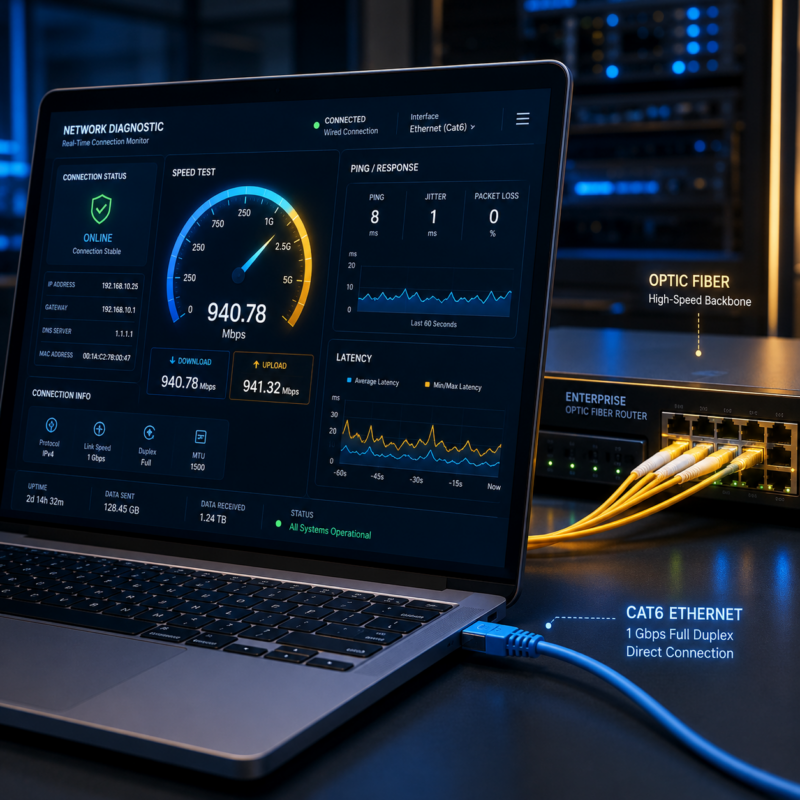
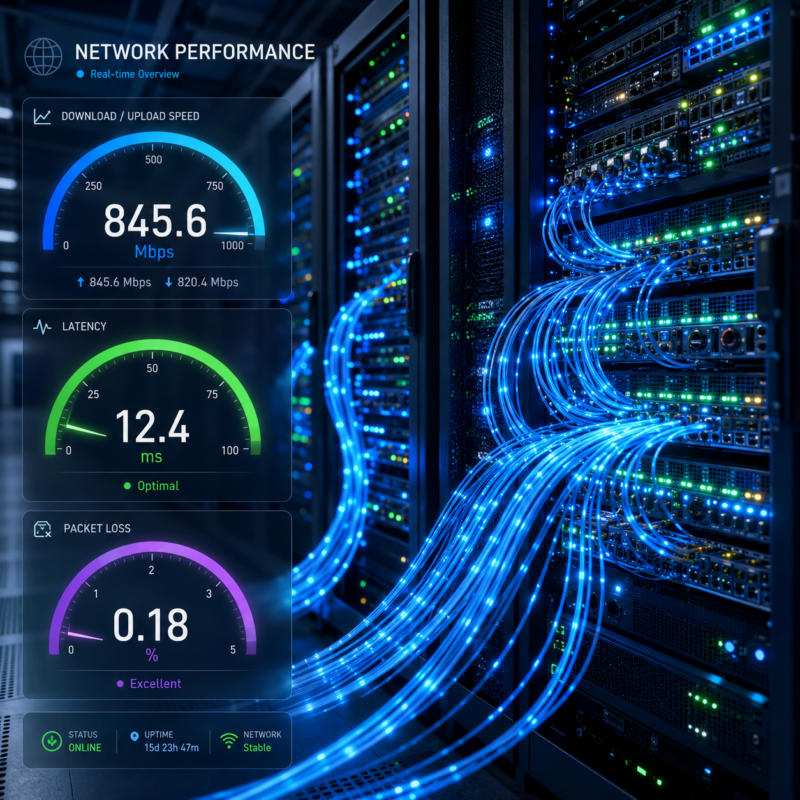
A VPN provides robust encryption, but its performance depends directly on the stability, latency, and reliability of the underlying internet connection. Running high-overhead encryption protocols on unstable, congested shared broadband leads to dropped connections, latency spikes, and severe productivity slowdowns.
To achieve peak cybersecurity and operational efficiency, enterprises require dedicated, high-speed infrastructure underneath their VPN layer.
This is where TecPoint Global Solutions delivers a strategic advantage. As a premier Internet Service Provider (ISP) and Managed IT Services leader in Nigeria, TecPoint provides the high-performance foundation required for enterprise security solutions:
- Internet Leased Lines (ILL): Dedicated, symmetrical, uncontended bandwidth that guarantees zero contention, ultra-low latency, and stable throughput ideal for high-bandwidth encrypted VPN tunnels.
- Managed IT & Network Security: Comprehensive network architecture consulting, integrating next-generation firewalls (NGFW), Zero Trust models, and centralized VPN gateway management.
- Starlink Satellite Internet Solutions: Rapid deployment of low-Earth orbit (LEO) satellite connectivity for remote sites, offshore operations, and branch offices requiring secure VPN connectivity anywhere in Nigeria.
- Estate & Home Broadband: Enterprise-grade fiber and radio solutions tailored for executive residential areas and remote staff homes, securing hybrid work at the edge.
By pairing TecPoint’s reliable, unthrottled business internet with an encrypted VPN framework, organizations eliminate bandwidth bottlenecks and deliver robust security across all endpoints.
Step-by-Step Implementation Strategy for Your Business
To build a secure and resilient corporate network, follow this structured, phased implementation plan:
Phase 1: Audit and Network Architecture Mapping
- Inventory all corporate endpoints, remote laptops, smartphones, cloud servers, and local databases.
- Identify high-risk data flows and identify employees accessing sensitive resources offsite.
- Evaluate current internet connectivity to ensure sufficient symmetrical upload speeds for host VPN gateways.
Phase 2: Select the Right VPN Architecture
- Remote Access VPN: Client-to-site setup for hybrid employees accessing corporate assets via software clients.
- Site-to-Site VPN: Connects entire branch office networks directly to primary data centers or cloud hosts over hardware gateways.
- Zero Trust Network Access (ZTNA): Modern identity-aware security framework that grants application-specific access rather than broad network access.
Phase 3: Infrastructure Upgrade & Provider Alignment
- Partner with TecPoint Global Solutions to upgrade office endpoints to Dedicated Internet Leased Lines.
- Configure central hardware firewalls and dedicated VPN concentrators.
- Implement Multi-Factor Authentication (MFA) across all employee access points to block compromised credential attempts.
Phase 4: Policy Deployment and Staff Training
- Draft and enforce a formal Remote Work & Data Security Policy across the organization.
- Conduct employee security awareness training focusing on phishing awareness, safe Wi-Fi usage, and VPN connection compliance.
- Set up 24/7 network monitoring to detect anomalous login locations or massive data transfers.
Frequently Asked Questions (FAQs)
What is the primary difference between a personal VPN and a business VPN?
A personal VPN protects an individual user’s browsing activity and location from web trackers. A business VPN connects authorized employees to a corporate network, securing proprietary company databases, enabling safe remote access, and protecting sensitive commercial communications.
Does using a VPN slow down our business internet speeds?
Encrypting and routing data through a VPN tunnel adds minor network processing overhead. However, when deployed on a dedicated, high-speed connection—such as TecPoint’s Dedicated Internet Leased Lines—the performance impact is imperceptible, maintaining smooth HD video conferencing, large file transfers, and cloud syncs.
Can a VPN completely protect my business from all cyber threats?
No. While a VPN secures data in transit and stops network eavesdropping, it must be part of a comprehensive, layered cybersecurity strategy. Complete protection requires firewalls, Endpoint Detection and Response (EDR), regular software patching, email phishing protection, and strong employee security training.
How does Starlink satellite internet work with enterprise VPNs?
Starlink satellite internet provides high-speed, low-latency broadband to remote and rural areas across Nigeria. When configured by an experienced systems integrator like TecPoint Global Solutions, Starlink handles site-to-site and remote-access VPN tunnels smoothly, keeping remote branch offices securely linked to headquarters.
Safeguard Your Enterprise Network Today
In today’s digital economy, network security and reliable internet connectivity are inseparable. Securing your business’s internet traffic with an encrypted VPN safeguards your proprietary IP, protects financial transactions, and ensures seamless compliance. However, encryption is only as dependable as the underlying network connection driving it.
TecPoint Global Solutions provides the foundational infrastructure required to keep your modern enterprise connected, competitive, and secure. From dedicated fiber leased lines and managed IT solutions to Starlink satellite deployments and enterprise broadband, TecPoint delivers end-to-end connectivity solutions tailored for growing Nigerian businesses.
Don’t leave your critical network traffic exposed to cyber threats. Contact TecPoint Global Solutions today to consult with our network infrastructure specialists and upgrade your business with high-speed, secure, enterprise-grade connectivity.