

In Nigeria’s fast-paced digital economy, reliable internet is no longer just a utility—it is the very nervous system of your business. From powering cloud-based Enterprise Resource Planning (ERP) tools to hosting real-time Zoom conferences, managing high-frequency fintech transactions, and coordinating remote workforces, a stable connection is critical. When the internet drops, operations stall, revenue leaks, and customer trust erodes.
Many small-to-medium enterprises (SMEs) and large corporates in Nigeria focus solely on speed and subscription costs when selecting a service provider. However, there is a fundamental regulatory and technical distinction that often goes unnoticed: whether your service provider is legally licensed by the Nigerian Communications Commission (NCC).
Operating on an unlicensed network exposes your business to massive operational, legal, and financial vulnerabilities. This comprehensive guide details why partnering with an NCC-licensed ISP—such as TecPoint Global Solutions—is the single most important decision you can make for your company’s connectivity, security, and long-term scalability.
What is an NCC License and Why Does it Matter?
The Nigerian Communications Commission (NCC) is the independent regulatory authority for the telecommunications industry in Nigeria. Established by the Nigerian Communications Act of 2003, the NCC is tasked with ensuring that all telecom operators—including Internet Service Providers (ISPs)—meet rigorous operational, financial, technical, and security standards before they can legally offer services to the public.
Understanding the NCC ISP Licensing Framework
To operate legally as an Internet Service Provider Nigeria, an organization must undergo a strict vetting process to obtain an Individual License specifically tailored for Internet Services. This framework is designed to protect consumers and uphold national network integrity.
To qualify for and maintain this license, an ISP must provide:
- Proof of Financial Capability: Verifying that the company possesses the long-term resources required to deploy, scale, and maintain a robust network infrastructure.
- Security Clearance: Oversight and clearances from national security agencies to prevent cybercriminal networks or bad actors from controlling critical digital gateways.
- Technical Compliance: Adherence to strict transmission power limits, spectrum allocations, and infrastructure sharing rules defined by international bodies like the International Telecommunication Union (ITU).
Unlicensed operators bypass these checks completely. By purchasing services from un-vetted, fly-by-night providers, businesses unknowingly build their digital operations on highly volatile, legally vulnerable foundations.
The Hidden Risks of Using Unlicensed Internet Providers
Choosing a non-licensed provider may seem like a budget-friendly shortcut initially, but it exposes your enterprise to three core risks:
1. Sudden Regulatory Crackdowns and Disconnections
The NCC actively monitors the Nigerian telecom landscape. Unlicensed ISPs are subject to sudden enforcement actions, including immediate network shutdowns, equipment seizures, and severe legal penalties. If your provider is shut down overnight, your business faces sudden, un-warned blackout periods, which can halt client-facing operations and result in thousands of dollars in lost productivity.
2. Zero Recourse for SLA Breaches
When your internet goes down on an unlicensed network, you have no leverage. These operators do not offer legally binding Service Level Agreements (SLAs), nor are they bound by the NCC’s Consumer Code of Practice. If they fail to fix a fiber cut or server outage for five days, your business has no regulatory channel to file a complaint, demand compensation, or enforce service restoration.
3. Vulnerability to Cyber Threats and Poor Routing
Unlicensed operators often route traffic through insecure networks or construct makeshift point-to-point wireless links using unapproved, consumer-grade hardware. This lack of professional architecture leaves your sensitive business data—including customer financial records, proprietary assets, and internal communications—vulnerable to man-in-the-middle attacks, data interception, and IP spoofing.
5 Critical Reasons to Choose an NCC-Licensed ISP
Partnering with an NCC-licensed partner like TecPoint Global Solutions ensures your business remains protected, connected, and primed for growth.
1. Guaranteed Quality of Service (QoS) and Robust SLAs
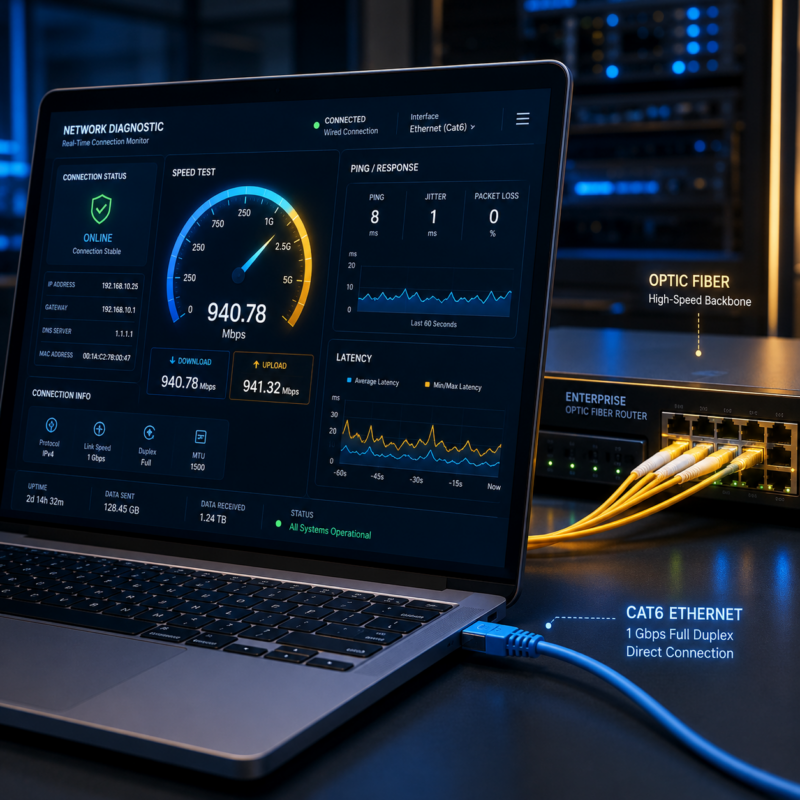
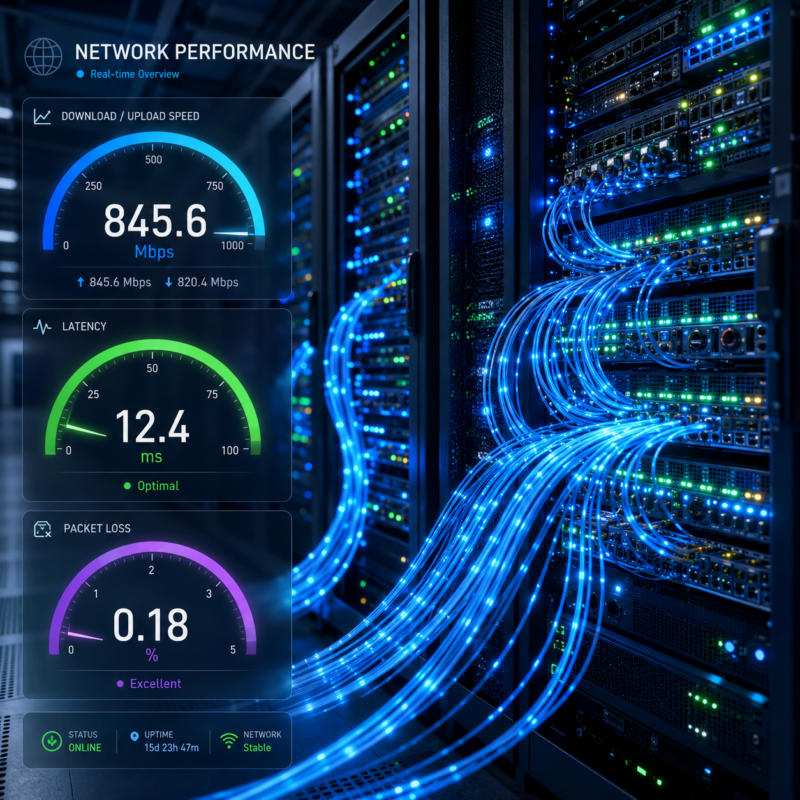
An NCC-licensed ISP is regulatory-bound to deliver on specific Quality of Service (QoS) metrics. Key parameters like latency, packet loss, jitter, and network availability are continuously monitored.
For modern enterprises, this is backed by a strict Service Level Agreement (SLA). When you deploy a Dedicated Internet Leased Line with a licensed provider, you are guaranteed symmetrical bandwidth (equal upload and download speeds) and high uptime (often 99.9% or higher). This level of performance is critical for running VoIP communication networks, processing real-time database queries, and utilizing cloud environments like Microsoft Azure or Google Cloud without lag.
2. Equipment Type Approval and Infrastructure Standards
To legally run an ISP network in Nigeria, all active networking equipment—ranging from fiber-optic transceivers and microwave radios to routers and satellite dishes—must undergo the NCC Type Approval process.
This ensures that the hardware:
- Does not cause harmful radio frequency interference with other critical communication networks (such as aviation, defense, and emergency services).
- Is safe for human exposure and meets international environmental standards.
- Operates reliably under local environmental conditions.
Licensed ISPs invest in carrier-grade hardware from global leaders like Cisco and Juniper. This ensures that your local business internet solutions are built using hardware engineered to handle heavy, continuous commercial data loads.
3. Legal Security and Business Continuity
By using an NCC-licensed ISP, you protect your enterprise from third-party operational liability. Corporate governance structures increasingly require that vendor networks comply with national regulations. If your business undergoes an audit (such as ISO 27001 certification or NDPA data protection audits), utilizing an unlicensed internet provider can lead to compliance failures. Working with a fully licensed provider ensures your connectivity stack is completely legal, transparent, and auditable.
4. Advanced Cybersecurity and Dedicated Routing
Licensed internet service providers route your business data through secure, high-integrity transport networks. They collaborate with tier-1 upstream carriers and local internet exchanges, utilizing globally recognized security protocols like BGP Route Filtering, DDoS protection, and secure DNS routing through security leaders like Cloudflare. This safeguards your enterprise data as it transits between your local servers, remote branches, and multi-cloud environments.
5. Access to Professional Consumer Protection Channels
If a billing dispute, persistent service degradation, or contractual disagreement arises with an NCC-licensed ISP, you are not left to handle it alone. The NCC maintains a highly active consumer affairs bureau that arbitrates disputes between registered businesses and licensed operators. This adds a critical layer of commercial safety and accountability that unlicensed operators simply cannot match.
Tailored Connectivity: How TecPoint Global Solutions Empowers Your Business
Choosing a licensed provider is the foundation; choosing the right licensed provider dictates your operational efficiency. TecPoint Global Solutions (TPGS) is a premier ICT and Internet Service Provider in Nigeria. TPGS combines strict regulatory compliance with cutting-edge engineering to power digital transformation across corporate offices, SMEs, residential estates, and remote industrial outposts.
| Business Need | Recommended TecPoint Solution | Key Architectural Benefit |
| Corporate Offices & Financial Institutions | Dedicated Internet Leased Lines | Symmetrical speeds, 1:1 contention ratio, and prioritized latency for critical ERPs. |
| SMEs & Growing Startups | Business Broadband Solutions | High-speed, highly reliable, uncapped unlimited fiber internet with zero data caps. |
| Gated Communities & Multi-Tenant Estates | High-Density Estate Connectivity | Managed fiber infrastructure delivering secure, high-speed FTTH (Fiber-to-the-Home) to thousands of residents. |
| Remote Logistics, Mining, & Oil Sites | Starlink Satellite Internet Nigeria | Low-latency LEO (Low Earth Orbit) satellite coverage with professional, managed local support. |
Our Enterprise Fiber-Optic Network
Our robust Fiber Internet Solutions utilize advanced terrestrial fiber cable systems to deliver unmatched speed and reliability. By maintaining control over our network routing and peering directly with the Internet Exchange Point of Nigeria (IXPN), we deliver exceptionally low latency for localized and international traffic alike.
Managed Satellite Deployments with Starlink Nigeria
For enterprises operating in regions lacking traditional terrestrial fiber infrastructure, TecPoint Global Solutions provides fully managed Starlink Satellite Internet deployments. We handle the technical integration, specialized mounting, and network security routing, turning a raw satellite connection into a reliable, enterprise-grade corporate backup or primary gateway.
Frequently Asked Questions
1. How do I verify if an ISP is legally licensed by the NCC?
You can easily verify an operator’s status by visiting the official Nigerian Communications Commission (NCC) Licensee Database. Legitimate providers will be listed under active “Internet Services (ISP)” or “Unified Access Service” license categories with valid operational tenures.
2. What is the difference between a shared business broadband connection and an Internet Leased Line?
A shared connection distributes a pool of bandwidth among multiple businesses in your area, which can lead to speed drops during peak usage hours. An Internet Leased Line is a 1:1 dedicated fiber connection reserved exclusively for your company. It guarantees symmetrical speeds, low latency, and a strict uptime SLA, making it ideal for large corporate operations.
3. Why are unlicensed ISPs cheaper, and are they worth the savings?
Unlicensed ISPs are cheaper because they bypass licensing fees, skip technical type-approvals, use consumer-grade hardware, and do not invest in security compliance or professional redundant routes. While this saves upfront costs, a single day of network downtime, data breach, or sudden regulatory shutdown can cost your business far more than those initial savings.
Secure Your Business Future with TecPoint Global Solutions
Your network connectivity is too critical to leave to chance. Operating on an unlicensed network places your data, security, and daily operations at risk.
By partnering with an NCC-licensed industry leader like TecPoint Global Solutions, you gain access to carrier-grade Fiber Internet Solutions, dedicated lease line architecture, and fully managed satellite connectivity. This ensures your business remains resilient, secure, and ready to scale.
Don’t let unstable, unlicensed networks hold your enterprise back. Contact the enterprise networking specialists at TecPoint Global Solutions today to schedule a comprehensive connectivity audit and design a custom network tailored to your operational demands.